Syosset Locksmith NY Service Team
Local locksmith team
Aug 12, 2026 11 min read
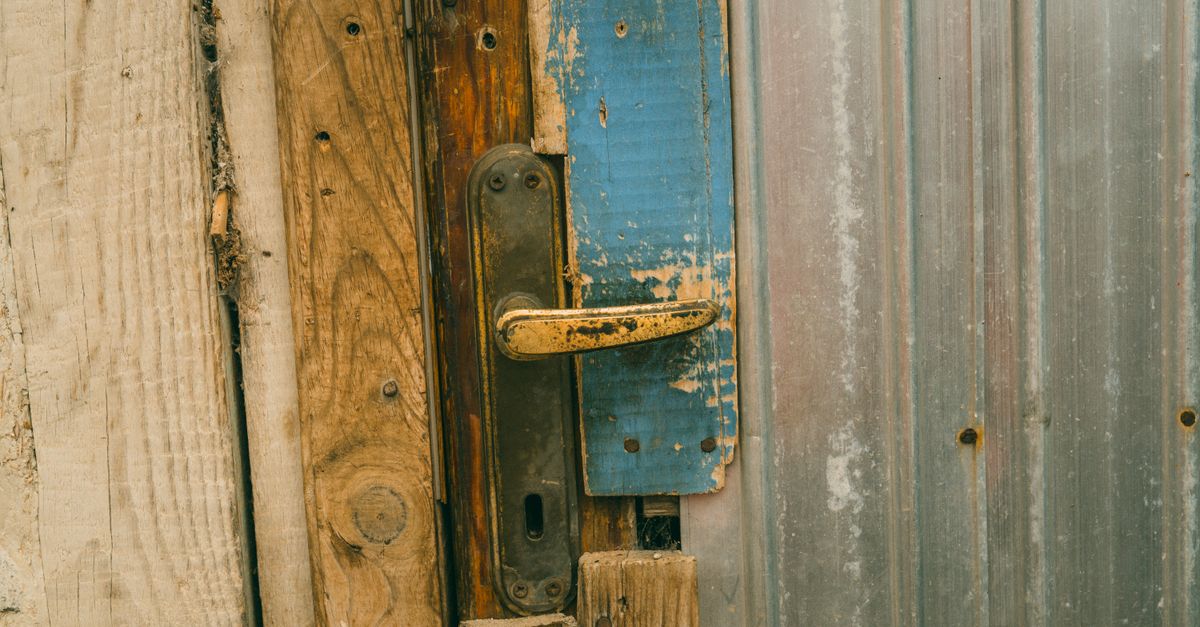
Stand at your front door for a moment and look at the hardware. Is there a round knob with a keyhole punched through the center, or is there a larger, rectangular metal plate set flush into the edge of the door with a lever or knob on top? That small difference tells you almost everything about how your door is secured, what happens when something goes wrong, and what a professional locksmith Syosset call means for your home. Homeowners across the Syosset area — from Cold Spring Road to the neighborhoods just off Jericho Turnpike — are often surprised to learn they have been living with two very different lock systems without knowing which one they own.
This article breaks down exactly what separates a mortise lock from a standard door knob lock, how each one affects your security, and what to expect when you need a repair, rekey, or full upgrade. No jargon, no guesswork — just the practical information you need before something goes wrong at midnight on a Tuesday.
## What Is a Mortise Lock — and How Is It Different from a Door Knob Lock?
A mortise lock is a lock body that is set into a deep, rectangular pocket — called a mortise — carved directly into the edge of the door. Instead of the locking mechanism sitting on the surface of the door, it lives inside the door itself. You typically recognize it by a large, elegant rectangular faceplate running along the door edge, and a matching trim plate (called an escutcheon) on the face of the door that houses both the knob or lever and the keyhole. Mortise lock sets are common on older pre-war homes, brownstones, and higher-end residential and commercial properties. They tend to be thicker, heavier, and more complex than what most people picture when they think of a standard lock.
A door knob lock — or knob lock — works on an entirely different principle. The locking mechanism is built into the knob itself and mounted through a simple cylindrical bore hole drilled in the face of the door. Turn the knob, and the spring latch retracts. The lock cylinder sits inside the knob. This is the system you will find on the vast majority of interior and basic exterior residential doors across Long Island. It is simpler, faster to install, and easier to replace as a DIY project — but that simplicity also comes with real security trade-offs that every homeowner should understand.
## Security Strengths and Weaknesses: Mortise Lock vs. Knob Lock
A properly installed mortise lock is one of the most secure residential lock types available. Because the lock body is embedded deep in the door, it resists kick-in attacks far better than a surface-mounted cylinder lock. The multi-point engagement — a deadbolt, latch, and sometimes an auxiliary lock all housed in one unit — means multiple steel components are holding the door in place at once. Many mortise lock sets also integrate a deadbolt that throws further into the strike plate, making shimming or spreading the door frame significantly harder. If you live on a ground floor in Syosset or have a door that faces a public walkway, a mortise-style system offers a meaningful security upgrade over a basic knob.
A door knob with lock and key is convenient and inexpensive to service, but it has a well-documented vulnerability: the knob itself is the weak point. A firm, forceful twist or a sharp lateral blow can shear the knob and expose the spindle, bypassing the lock entirely. That is why security professionals consistently recommend pairing any knob lock with a separate deadbolt. A door knob with lock alone — no deadbolt, no reinforced strike plate — should be considered entry-level security at best. That said, for interior doors, closets, or secondary interior spaces, a knob lock is often entirely appropriate. Context matters, and a qualified locksmith can assess your specific door and frame to give you an honest recommendation.
## How to Tell What You Have Right Now — A Quick Visual Check
You do not need any tools to figure out which system is on your door. Walk to your main entry door and look at the edge of the door — the narrow strip of wood visible when the door is open. If you see a large rectangular metal plate that is roughly 6 to 8 inches tall housing both a latch bolt and a deadbolt, you almost certainly have a mortise lock. The faceplate will look substantial and will sit flush with the door edge. On the face of the door, you will see an escutcheon plate — a single metal surround — framing both the knob or lever and the keyhole together. These doors also tend to swing a certain way because of the added weight of the lock body inside.
If the door edge shows only a small, narrow latch plate about an inch wide, and the locking mechanism is entirely contained within the knob on the face of the door, you have a standard cylindrical knob lock. Deadbolts on these doors are separate units — usually mounted a few inches above the knob with their own key cylinder. If you are still unsure, run a finger along the inside of the door edge near the knob. On a mortise setup, the door wood itself has been hollowed out — you will feel a cavity rather than just a drilled hole. If you want a definitive answer before ordering parts or scheduling service, call us at (516) 646-5079 and describe what you see — we can usually tell you over the phone and have a technician in your area fast.
## What Each Lock Type Means for Repairs, Rekeying, and Upgrades
Repairs and rekeying look very different depending on which system you have. A standard door knob lock is designed around interchangeable cylinders and standardized keyways. Rekeying one typically takes a trained locksmith under fifteen minutes using a pinning kit. Replacing the entire knob lock set is something many homeowners attempt themselves, though improper installation of the strike plate or incorrect backset measurement leads to a surprising number of callback calls. Mortise lock service is a different process entirely. The lock body must be carefully extracted from the mortise pocket, serviced or replaced, and reinstalled so that every component — the latch, the deadbolt, the thumb-turn mechanism, and the external cylinder — aligns precisely. Getting that wrong can leave a door that will not latch correctly or a bolt that binds under load, which is both a security failure and a daily frustration.
Upgrading from a knob lock to a mortise lock set is one of the most effective security improvements a Syosset homeowner can make on an exterior door, but it does require cutting a mortise pocket if one does not already exist — skilled work that goes beyond swapping hardware. The factors that determine the final price of any lock service include the type of lock being installed, the condition of the existing door and frame, whether any woodwork modification is needed, the time of day the work is performed, and the parts selected. We confirm an exact price with you before any work begins, so there are no surprises. If your building is commercial — a retail space on South Oyster Bay Road, for example — commercial-grade mortise hardware and multi-point locking systems involve additional considerations that our commercial locksmith team handles regularly.
## Emergency Locksmith Situations: What to Do When You Are Locked Out
Getting locked out of a home with a mortise lock is a different experience from a standard door knob lockout, and knowing the difference helps you make smarter decisions in the moment. With a knob lock, always check first: is there a spare key with a trusted neighbor, a side door, or an unlocked window at ground level you can safely access? For a mortise lock, the same first steps apply — spare keys, alternate entry points — but forcing a mortise-equipped door is significantly more destructive and expensive to repair, so calling a professional quickly is almost always the right call. Questions sometimes come up online like 'how to pick a door knob lock' — but attempting to manipulate any lock without proper training and without proof of ownership risks damaging the lock, the door, and potentially raises legal issues. The right answer in a genuine emergency is to call a trained locksmith who will verify ownership and open the door without unnecessary damage.
An emergency, in the practical sense, is any situation where you are unable to access your home, vehicle, or business safely and have no other reasonable means of entry. That definition covers a wide range of scenarios: keys locked inside, a broken key in the cylinder, a lock that has seized or been tampered with, or a mortise lock whose internal mechanism has failed without warning. The definition of an emergency service is a response that happens outside normal business hours, responds quickly to an urgent need, and does not require a pre-scheduled appointment — which is exactly what we provide. Our mobile technicians are available around the clock across Syosset and the surrounding communities. Whether you discover a lock problem at 2 a.m. on Jackson Avenue or mid-afternoon on a Sunday, call (516) 646-5079 and we will be on the way.
## Full List of Locksmith Services We Provide in Syosset NY
Knowing which lock is on your door is step one. Knowing who to call when that lock needs attention is step two. Our team handles a genuinely wide range of residential, commercial, and automotive locksmith needs throughout Syosset and Nassau County, including: residential lockout service, commercial lockout service, mortise lock installation and repair, mortise lock rekeying, knob lock replacement, deadbolt installation, deadbolt repair, high-security lock upgrades, lock rekeying for moved-in tenants, master key system design, door hardware installation, lock cylinder replacement, broken key extraction, key duplication, key cutting for high-security keyways, electronic and smart lock installation, keypad lock setup, door reinforcement and strike plate upgrades, mailbox lock replacement, garage door lock service, filing cabinet and desk lock repair, padlock replacement, car lockout service, car key replacement, transponder key programming, key fob programming and replacement, ignition lock cylinder repair, car key duplication, and emergency boarding-up after a break-in.
Each of these services begins with a clear conversation about what you need, a transparent quote before any work begins, and work performed by an experienced technician who carries the right tools and parts to handle your specific lock type — whether that is a century-old mortise lock in a Victorian on Southwoods Road or a modern smart lock on a newly renovated colonial.
Frequently asked questions
What is a mortise lock, and does my Syosset home likely have one?+
A mortise lock is a lock whose entire mechanism — latch, deadbolt, and sometimes auxiliary locks — is housed inside a rectangular pocket cut into the door itself. You can identify it by the large rectangular faceplate on the door edge and a single escutcheon plate surrounding the knob and keyhole on the door face. Older homes in Syosset, particularly those built before the 1970s, often have mortise locks on exterior doors. Newer construction more commonly uses cylindrical knob or lever locks paired with a separate deadbolt. If you are unsure what you have, call us at (516) 646-5079 — we can walk you through the identification over the phone.
What factors affect the cost of mortise lock or door knob lock service?+
Several things go into the final quote for any lock service: the type and brand of lock involved (a mortise lock set requires more labor and specialized parts than a basic knob lock), the condition of the existing door and frame, whether any woodwork modification is needed, the time of day the work is requested, and travel distance to your location. We always provide a confirmed, exact price before a single tool is picked up — no hidden fees added afterward.
What is a locksmith call-out fee, and do you charge one?+
A call-out fee — sometimes called a service call fee or trip charge — is a base charge a locksmith applies to cover the cost of dispatching a technician to your location, regardless of what work is performed once they arrive. Practices vary widely across the industry. When you call us at (516) 646-5079, we are transparent about all charges upfront. We will tell you exactly what to expect before we dispatch, so you can make an informed decision with no surprises on the final invoice.
Can a locksmith program my key fob, and does the type of lock on my door matter?+
Yes, a qualified automotive locksmith can program key fobs and transponder keys for most vehicle makes and models — this service is separate from your door hardware entirely. Your home lock type has no bearing on automotive key fob programming. We carry the diagnostic and programming equipment needed for a wide range of vehicles right in our mobile units, so we can often handle key fob programming on the same visit as a residential lock service. Call (516) 646-5079 to confirm compatibility with your specific vehicle.